
About these activities
These activities are inspired by the theme of the exploration of history.
They explore movement and dance.
They can be used
- as stand alone activities or
- as follow up to an ‘Ordsall Alive’ session at Ordsall Hall [link to follow].
There are Dancing the Past to Life resources on other themes: View all the Dancing the Past to Life resources.
Activities
Starter Activity - Focus
The class stands in a circle and takes part in a focus activity such as passing a clap or passing a movement around the circle in canon. This promotes good team work and concentration and focuses the children before starting the rest of the session. See Dancing the Past to Life clip 1 for some ideas
Starter activity - Warm Up
Standing in a circle the class follow the teacher in a warm up to music which mobilises the body and increases the heart rate. The warm up could incorporate movements that start to introduce the theme before basic stretches for the hamstrings, quadriceps (thighs) and calves are carried out. See Dancing the Past to Life Clip 2 for some ideas.
Plenary activity - Create a Traditional Tudor Dance
Objectives
Learn some traditional Tudor dance steps.
Create traditional Tudor group dances using the Tudor dance steps learnt.
Activities
Learn some traditional Tudor dance steps using Dancing the Past to Life clips 9 and 10
Using the traditional Tudor dance pattern (see below) ask the children to create their own repeating travelling pattern working in unison with a partner.
Play a game imagining they are at Henry VIII’s banquet and perform the traditional walking pattern when the teacher indicates that the King is awake and perform the children’s own creation when he has fallen into a drunken sleep. See Dancing the Past to Life clip 11
The Tudor walking pattern to be adapted is:
- Standing side by side with the partner and holding the inside hand up, walk forwards one step with the right foot and then put feet together to pause briefly.
- Walk forwards one step with the left foot and pause.
- Walk forward quicker with right foot first, then left and right, put feet together and pause
The pattern is slow stop, slow stop, quick, quick, quick, stop. Repeat the pattern travelling backwards. See Dancing the Past to Life clip 11
Plenary activity - Create a Tudor Group Dance
Objectives
To create traditional Tudor group dances using the Tudor dance steps learnt and considering new formations and use of canon, unison and partner work
Activities
If you have already used the activity Create a Traditional Tudor Dance Recap so the children can start to recognise/remember the different steps learnt.
Children should work in groups (4 or 6) and be given the task of creating their own group Tudor dances. The success criteria would be the following:
- To create a dance with 4 or 6 people which is ‘in the style of’ Tudor Dance
- To select steps from the traditional dance learnt and re-order them
- To use moments of unison (dancing the same thing at the same time) and canon (dancing a step or movement one person after the other)
- To use a few formations throughout the dance (lines, circles)
- To use moments of facing the partner and moments of dancing side by side
See Dancing the Past to Life clip 12 for examples of children’s own Tudor dances.
Share and appreciate the Tudor group dances that the children have created discussing the success criteria and offer feedback.
Plenary activity - Contact Work and Preparation Duets
Objectives
To explore personal and whole space to create shapes and to travel in interesting ways around a space.
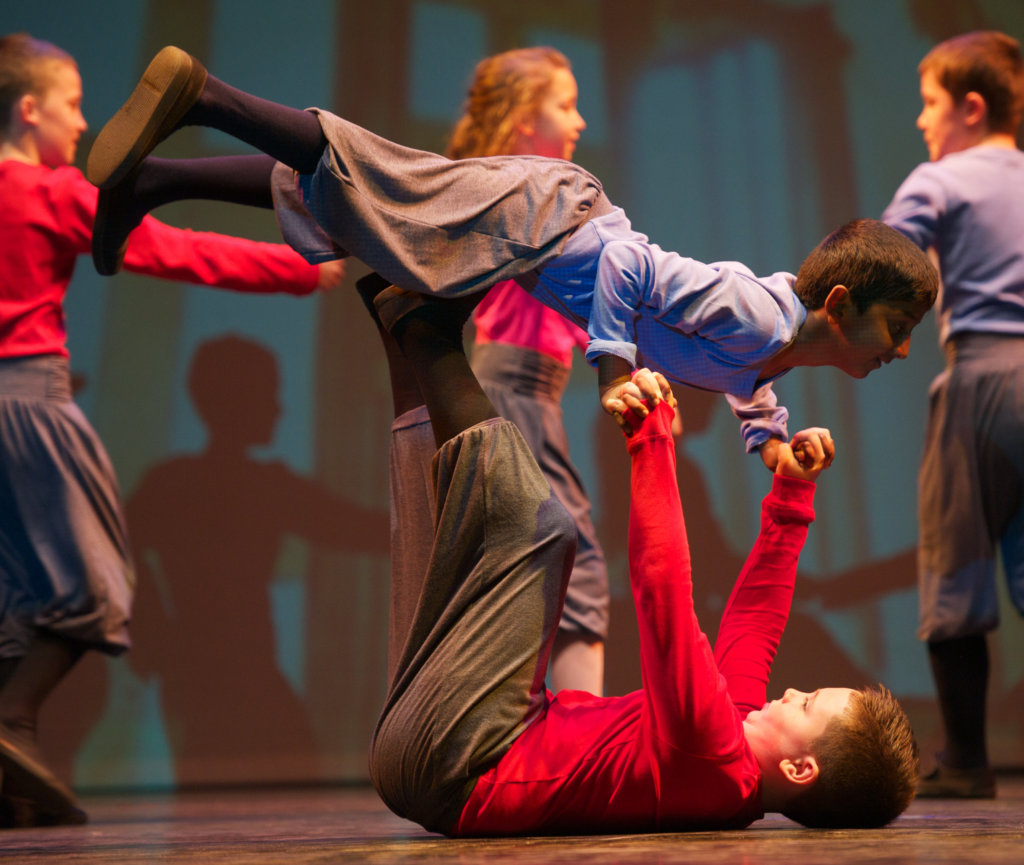
To work with a partner to learn some counterbalances, supports and lifts
Activities
Split the group in half and ask one half to make interesting shapes around the room and the other half to travel around them in interesting ways (explore directions, levels and actions) and also to find interesting ways to travel over, under and around the static people. See Dancing the Past to Life Clip 3 for examples of spatial ideas.
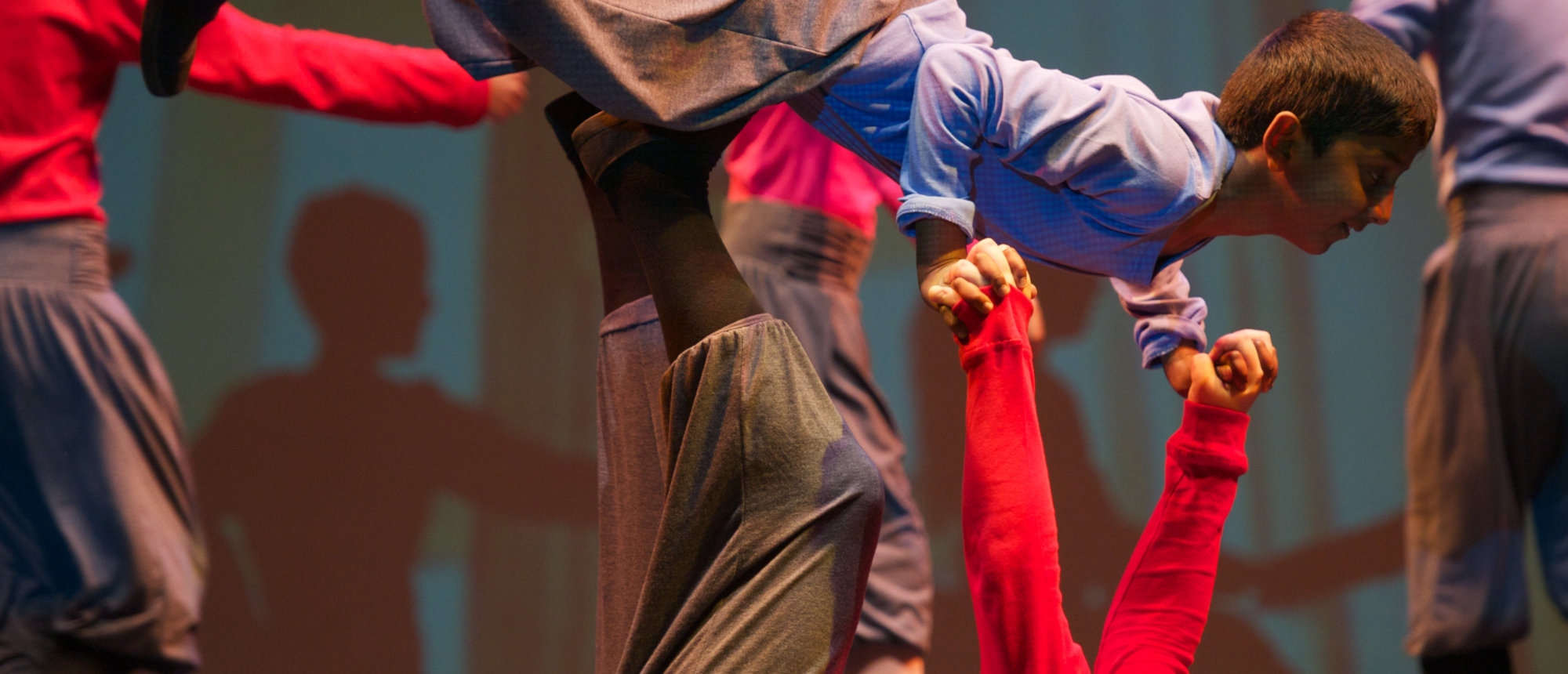
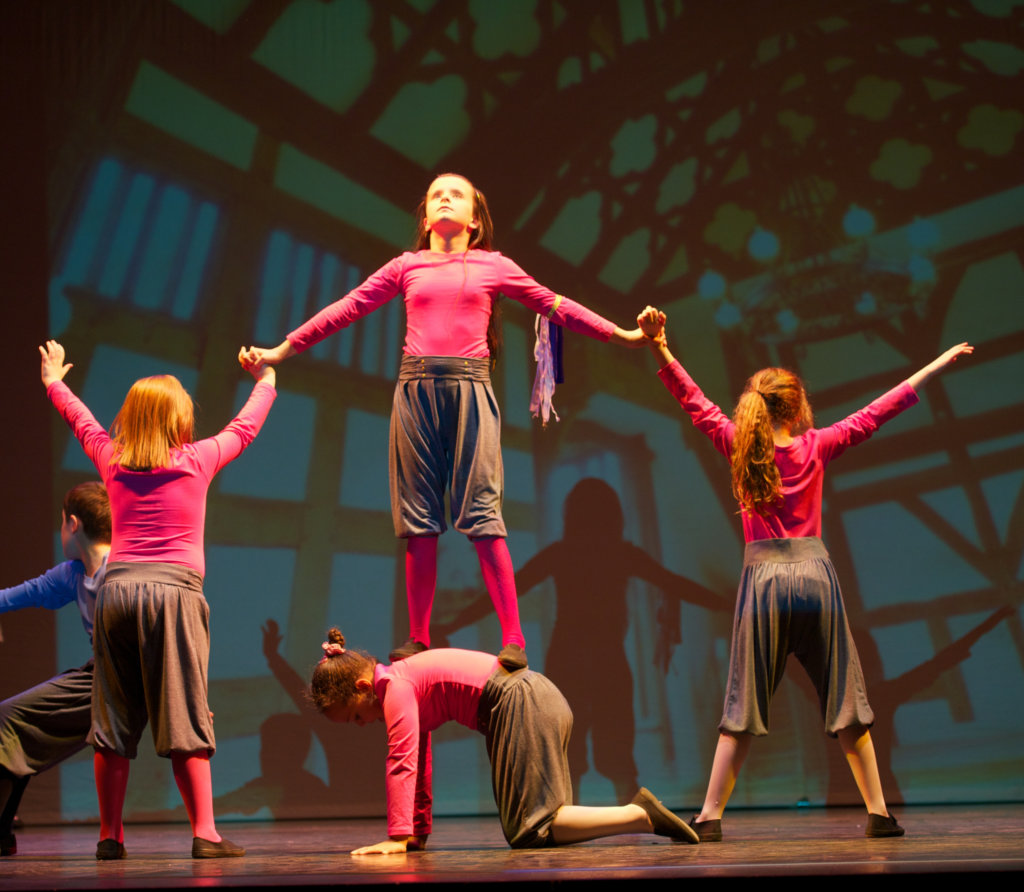
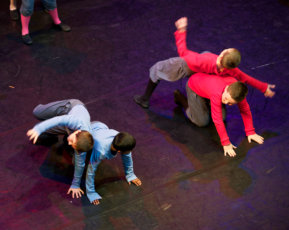
Expand contact skills. Put the children in pairs and ask them to work on counterbalances and lifts. See Dancing the Past To Life clip 6 for contact work ideas.
Ensure safe practise and use mats if appropriate.
Plenary activity - Group Work
Objectives
To create group dances inspired by the Tudor Entertainers, incorporating contact skills.
Activities
If you have already used the Contact Work and Preparation Duets activity recap briefly some of the contact skills. See Dancing the Past to Life clip 6 and Dancing the Past to Life clip 15 for contact work ideas.
Ensure safe practice and use mats if appropriate.
Put the children into groups (3 – 5 children) and ask them to create group dances inspired by acrobats and jesters and incorporating some of the contact skills learnt.
Share and appreciate the dances that the children have created and offer feedback.
About the Dancing the Past to Life project
Ordsall Hall closed its doors in 2009 for a major restoration and development project, and after two years ‘under wraps’ the Hall re-opened to the public on Sunday 15th May 2011.
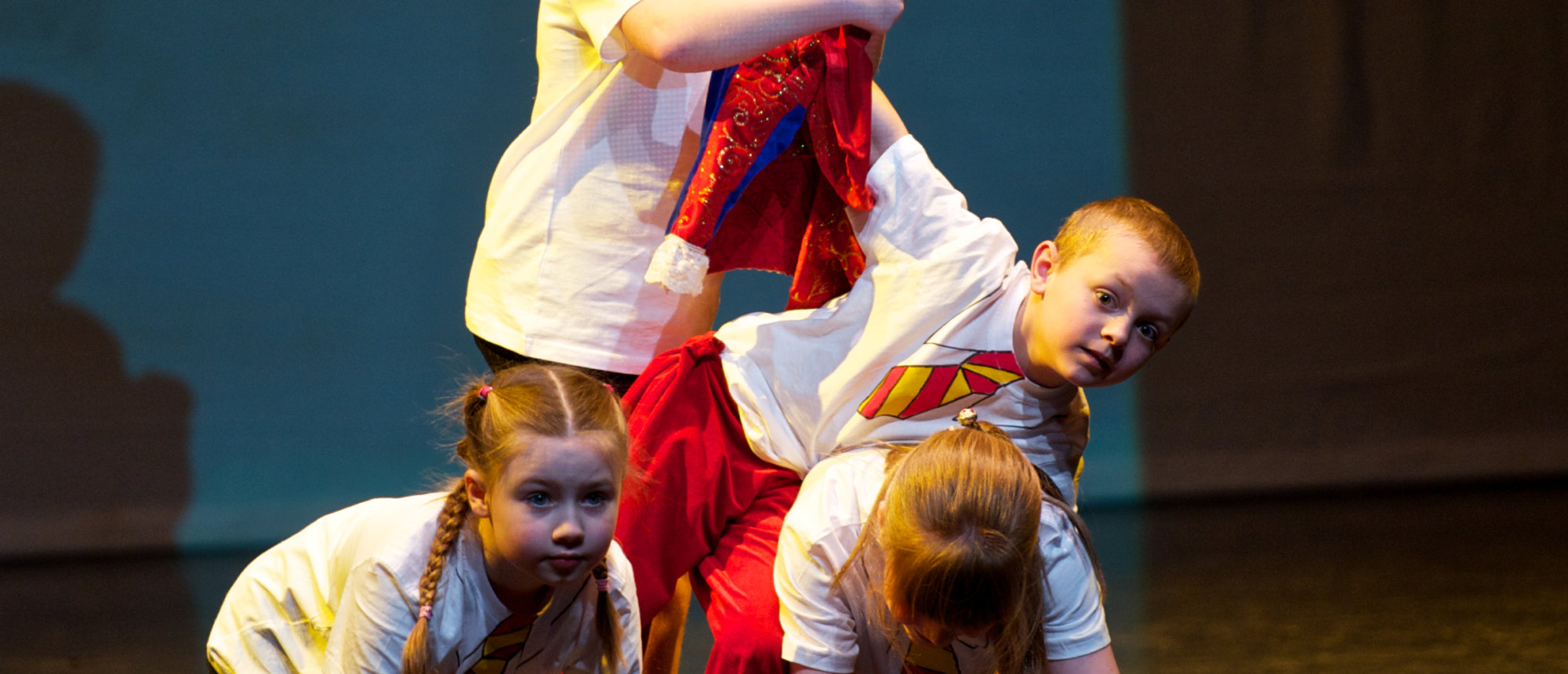
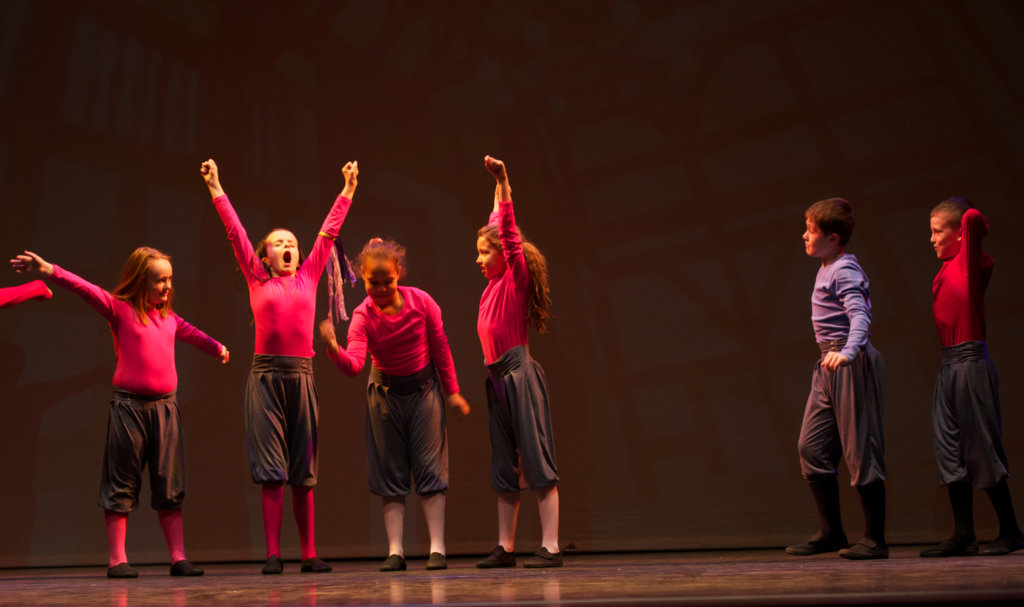
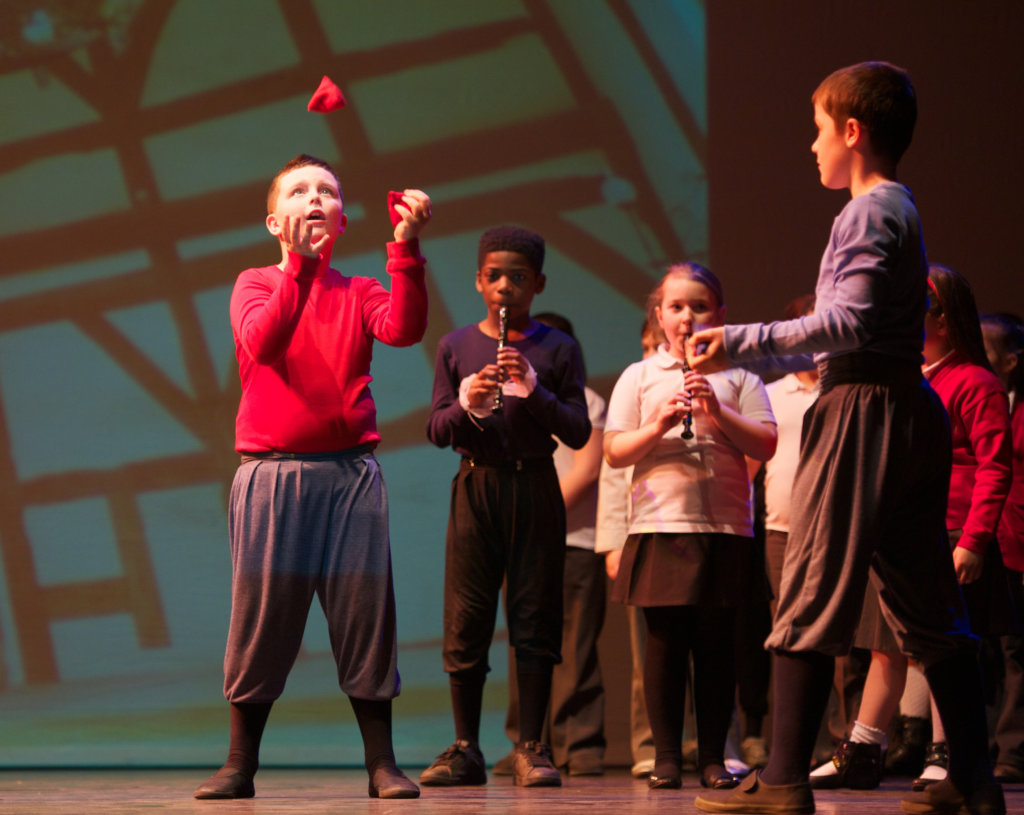
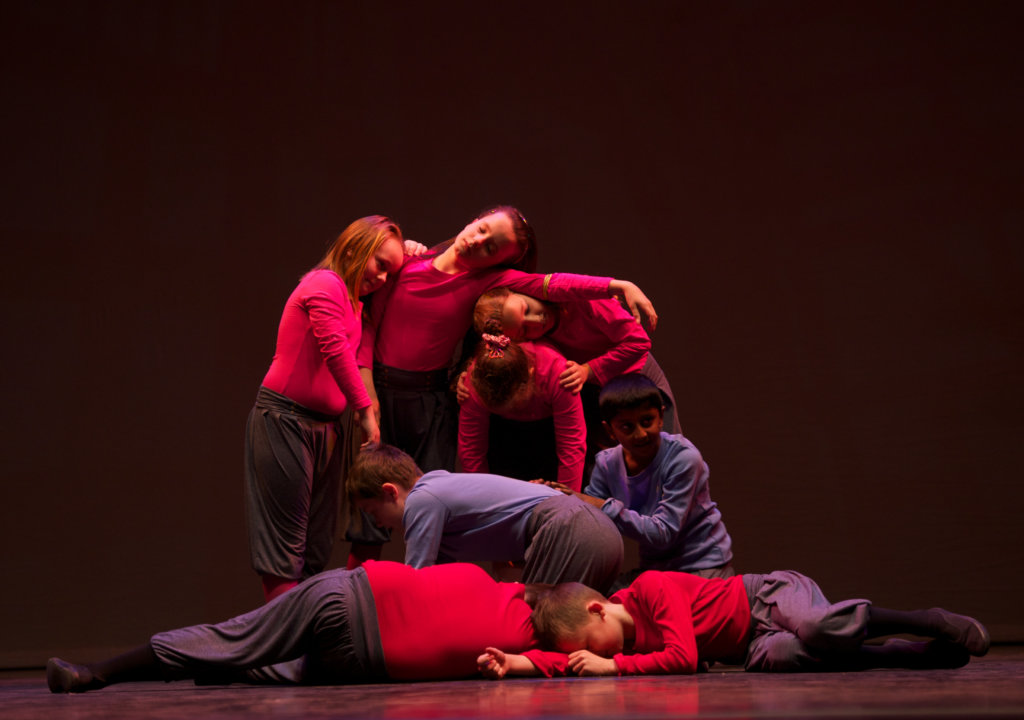
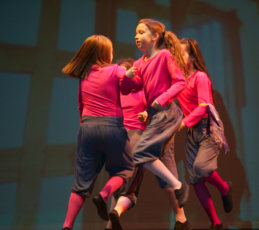
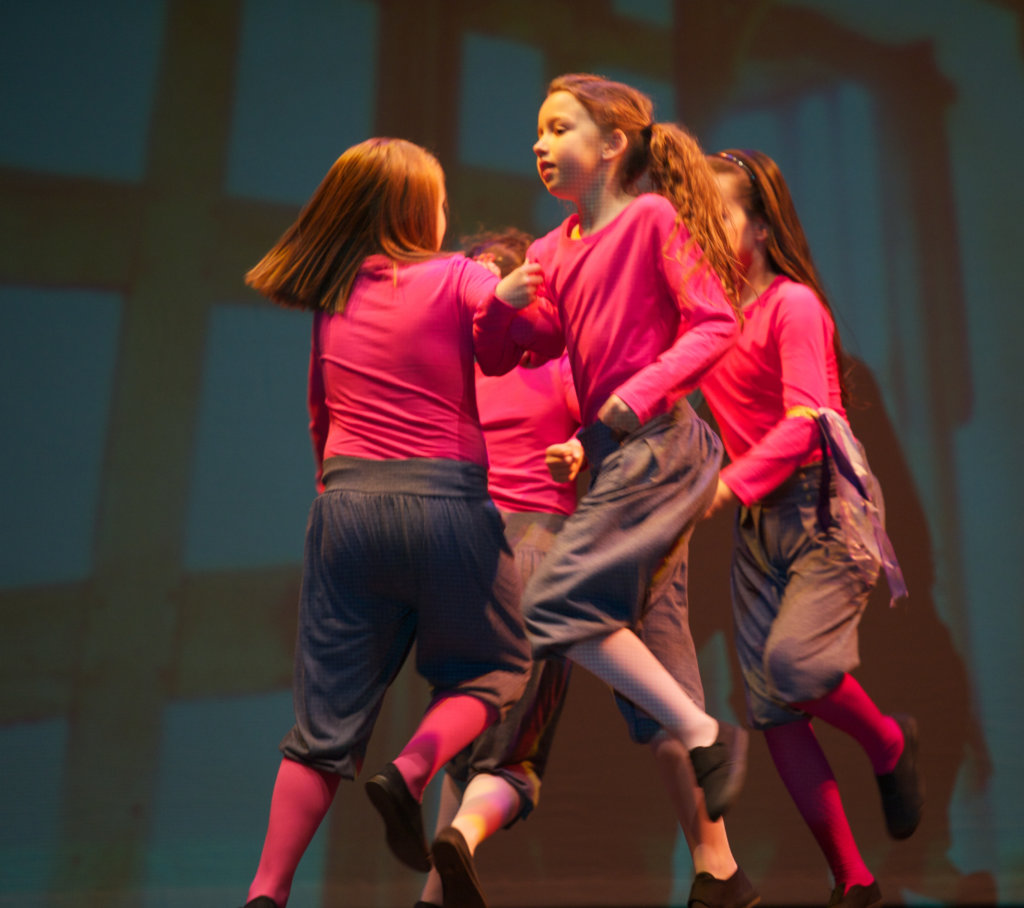
On Friday 18th March 2011 school children from across Salford proudly presented ‘Dancing the Past to Life’, a dance work created to celebrate the re-opening of the Hall.
The Heritage Lottery Fund funded the project. It involved six schools working with dance artist Rachel Towe during the spring term. The aim was to create a dance inspired by the stories, artefacts and events that Ordsall Hall has been connected with through its history.
Each school created a dance of approximately 5 minutes in length based on their theme and the final show saw all the dances come together as one performance.
These activities can be used to explore movement and dance inspired by the themes of the exploration of history
- the Tudors
- Guy Fawkes
- the Second World War
- and Ordsall Hall today.