
Dancing the Past to Life
Ordsall Hall closed its doors in 2009 for a major restoration and development project, and after two years ‘under wraps’ the Hall re-opened to the public on Sunday 15th May 2011.
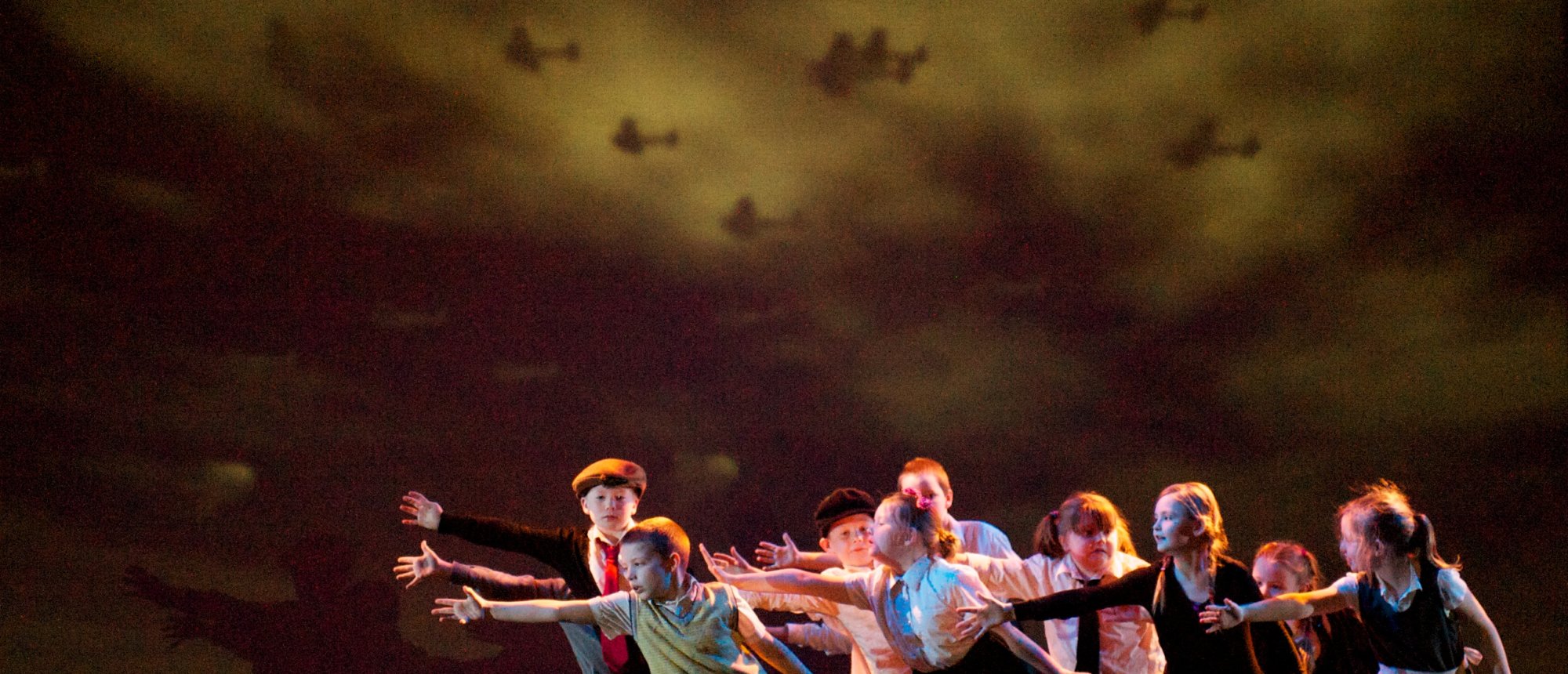
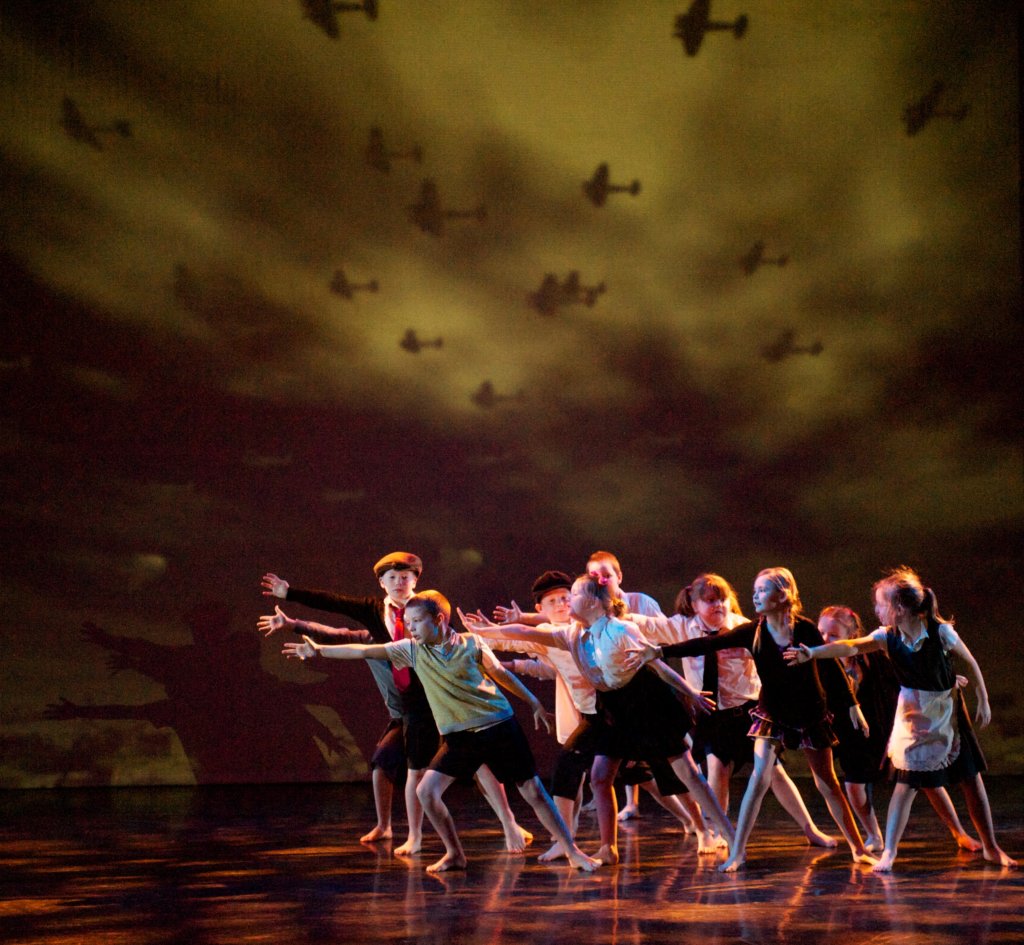
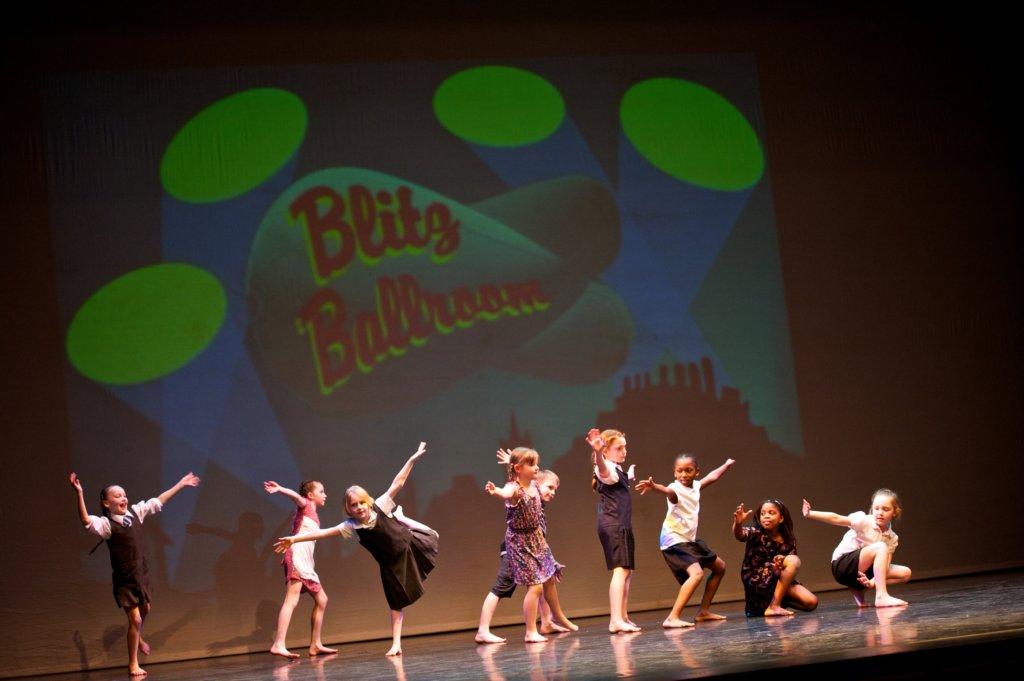
On Friday 18th March 2011 school children from across Salford proudly presented ‘Dancing the Past to Life’, a dance work created to celebrate the re-opening of the Hall.
The Heritage Lottery Fund funded the project that involved six schools working with dance artist Rachel Towe during the spring term to create a dance inspired by the stories, artefacts and events that Ordsall Hall has been connected with through its history. Each school created a dance of approximately 5 minutes in length based on their theme and the final show saw all the dances come together as one performance.
These activities can be used to explore movement and dance – inspired by the theme of the exploration of history. They can be used as stand alone activities or as a follow up to an ‘Ordsall Alive’ session at Ordsall Hall [link to follow].
As well as ‘The War Effort’ there are resources on a number of themes – click here to see all the Dancing the Past to Life resources.
The War Effort Activities
Starter Activity - Focus
The class stands in a circle and takes part in a focus activity such as passing a clap or passing a movement around the circle in canon. This promotes good team work and concentration and focuses the children before starting the rest of the session. See Dancing the Past to Life clip 1 for some ideas
Starter activity - Warm Up
The class follow the teacher in a warm up to music which mobilises the body and increases the heart rate. The warm up could incorporate movements that start to introduce the theme (in this case Lindy Hopping movements would be appropriate – see the Lindy Hop background information [link] for some ideas) before basic stretches for the hamstrings, quadriceps (thighs) and calves are carried out. See Dancing the Past to Life Clip 2 for some ideas.
Plenary activity - Lindy Hop
Objectives
To learn steps from the social and historical dance style ‘Lindy Hopping’ which was popular during the war
To learn a Lindy Hopping duet and for the children to extend this with their partner.
For the children to work in groups to use the Lindy Hopping steps and lifts to create their own group dance.
For the children to assess each other and offer feedback
Activities
Discuss ‘The War Effort’ in Salford. Play a clip of the ‘War Declared’ radio announcement and sound of the sirens and discuss how people in Salford would have felt. Also talk about how people had to just get on with life and found pleasure in music and dance in the war.
Go over some of the Lindy Hopping steps in more detail and some lifts. See Dancing the Past to Life clips 23 and 27 for Lindy Hopping steps and lifts.
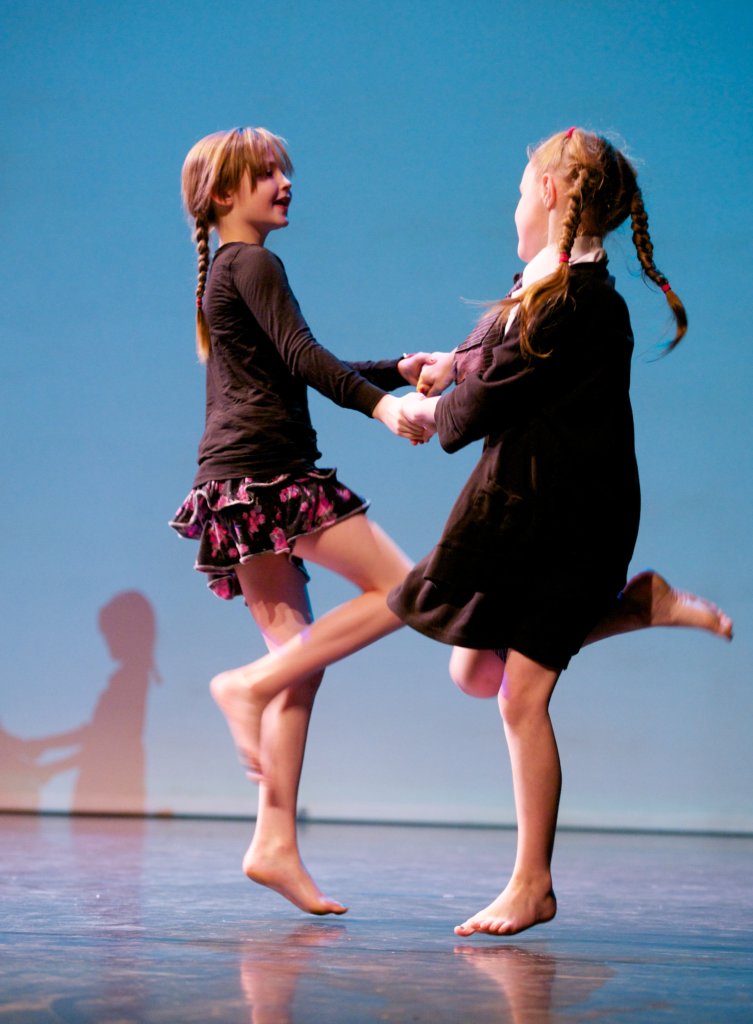
The children learn a duet and then select and add on some more Lindy Hopping moves to extend the duet. See Dancing the Past to Life clip 24 for examples of Lindy Hopping duets.
Put the children in groups and set them the task of creating a group dance using Lindy Hopping steps and choreographic devices. They could incorporate 3 or 4 of their favourite moves but challenge themselves to perform them in an interesting way considering using the following:
- Unison (where everybody dances the same movements at the same time)
- Canon (where one person performs a move followed by another person etc)
- Changing levels or directions (so a movement is adapted to be danced at a different level or direction and all dancers could do the same or they could all do different variations)
- Changing formations (circle, lines, zigzag)
- Partner work and individual work and changing partners
See the Dancing the Past to Life clip 24 for examples of group dance.
Lindy Hop - Background Information
Background Information – Lindy Hop
Lindy Hopping is a great dance style to enhance the topic of ‘Britain Since the 1930s – World War II’ as this dance style became popular around this era. It came from New York and originated from the Charleston. The Charleston was a dance for the rich and was very upright and precise and the black Americans were excluded from taking part so at their parties they imitated the rich and danced The Charleston in a much more free and down to earth way inventing The Lindy Hop. It is said that the name Lindy Hop originates from Charles Lindberg’s successful attempt to be the first to fly across the Atlantic.
Kicks
- Single kicks with a hop in front and crossing the leg over
- Double kicks
- Single kicks and turn on the spot
Break – Standing with wide feet and bent knees and torso slightly forward with arms positioned as if spreading the hands out on a table in front of you. Jump into this position quickly and hold.
Boogie Forward and Back – Jump forwards maintaining bent knees and push the hips forward so the torso leans back then slap the hand on the thighs bringing the hands forward, then jump the feet back and push the bottom out and slap the hands on the thighs going back. Rhythm should be: and forward, slap and back, slap (repeat).
Tap steps – Tap the right foot in front then bring it back under you then tap the left foot forwards and then bring it back, almost like you are testing the cold sea water. Swing the arms one forward and one back in opposition to the legs and keep the knees bent and torso forwards.
Peck – Standing with wide feet, swivel the feet so the body faces the right side and then raise the right arm and extend it to the ceiling so that the arm touches the ear. Flex the right wrist to make a bird head on the top. Maintain this position but bend the knees slowly so the position lowers slowly. Peck the head like a bird five times. The pecking rhythm of the head should be slow, slow, quick, quick, quick. Swap sides.
Fall off the log – Kick the right leg out to the side leaning to the left and arms out wide as if pretending to fall, then recover by bringing the right leg behind the left, stepping to the side with the left and then stepping across with the right. Do the same on the other side.
Lifts
- Leap frog – as standard.
- Hug lift – standing side by side one person is the lifter and takes the other person’s arm around their shoulders and their centre leg is then lifted with the lifter’s outside arm. The person being lifted lifts their free leg up to the sky with a kick.
- Pull Through – The pair stand opposite each other and hold hands (with one person’s wrists crossed), the support has wider legs and they enter into a counterbalance with the active person bending knees to sit on the floor. Once there they straighten their legs and lie down and the support pulls them through the legs. The support then steps one leg to the side so that they are no longer over the active person and pulls the active person to stand whilst the active person assist by pushing the feet down into the floor (knees are bent by this point) and also lifting their hips so the body ripples up.
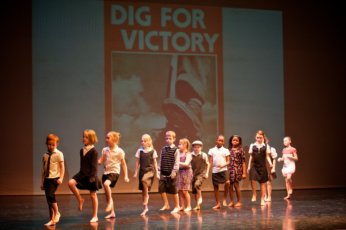
Plenary activity - Dig For Victory
Objectives
To learn about the ‘Dig for Victory’ campaign working in groups and then as a whole class to create a dance
Activities
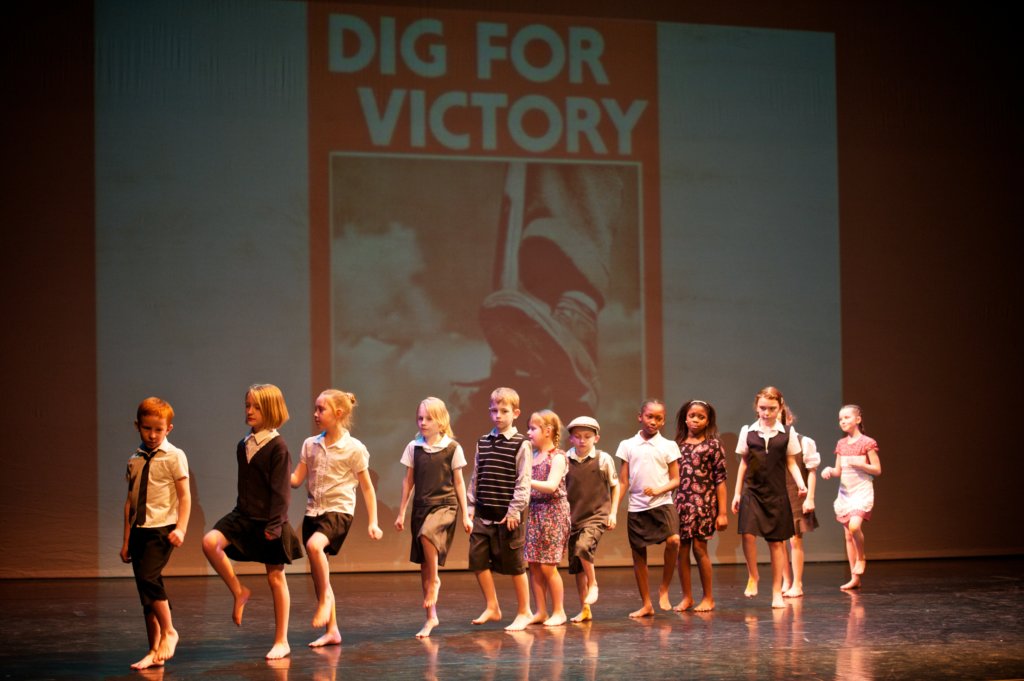
Discuss the ‘Dig for Victory’ campaign showing posters.
This dance composition is inspired by the idea of the Salford community pulling together to support the war effort to grow their own food. The children become the ‘soldiers of the dig for victory’ campaign.
Split the class into 4 groups and provide each group with a list of four actions (give each group a different order). The actions are digging, planting, exhausted and marching. Ask the groups to create an action for each of the words above. Each action must take 8 counts. The groups must practice the four actions well so that everyone is dancing in unison (all doing the same movement at the same time) and then perform the actions standing in a line one behind the other.
Number the groups. Now take one child from each group and put them into a whole class line in order so that all the groups are now split and there is a pattern down the line e.g. child from group 1 then child from group 2 etc so that it is eventually the pattern is 1, 2, 3, 4, 1, 2, 3, 4 etc. Ask the children to all perform their actions at the same time with the teacher counting to help. See Dancing the Past to Life clip 25 for an example of the ‘Dig for Victory’ dance.
Plenary activity - The Sirens
Objectives
To create a whole class dance to show the emotion and drama behind ‘The Blitz’.
Activities
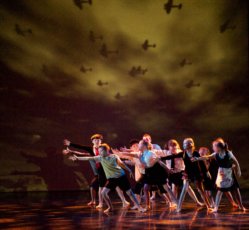
Listen to a sound clip of the air raid sirens.
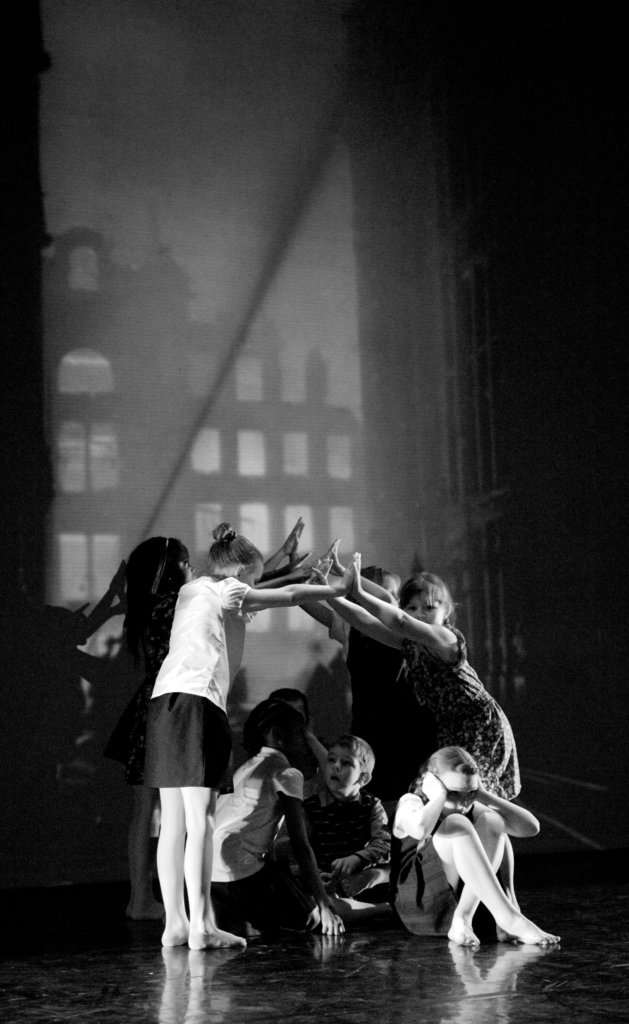
Discuss the sirens, ‘The Blitz’ and air raid shelters and discuss how people would have felt and reacted. Visualise the scene together using photos and discuss the colours, sounds, emotions etc of the scene.
Teach a short unison sequence which shows the emotion of people in the blitz. The children could perform the sequence in slow motion. Ensure the children work hard to show the emotion in the body and face. The unison could be:
- Slowly lower to the floor to a crouch (curled up ball) and use both arms to protect over the top of the head
- Stand up again and take both hands to cover the ears and look up at the sky
- Lunge to the side and reach out with one hand
- Crouch back down and shield the face with the hands
Split the class into groups (number each group for the task below) and give each group one of the movements from the sequence. The teacher then demonstrates how one movement could be split into three sections (beginning, middle and end) danced by three different children and then performed in sequence (canon) e.g. using the first movement as an example which is crouching down to the floor with the hands covering the head, the beginning of this movement is standing nearly upright but starting to curl down towards the floor with the head hanging (child 1), the middle of the movement is half way down towards the crouch and the hands starting to raise towards the head (child 2) and the end of this movement is in the full crouch with the hands over the head (child 3). Each group therefore has 3 children and 3 movements which they practice in canon (one person moves then the next then the last).
Put the whole class together again in one clump with all the groups still together within that clump. The groups then perform their sequence quickly in canon one after the other. This effect is attempting to show the flashing of the bombs and the drama and panic that the community would have felt. The class can also try structuring and performing the movements in other ways to enhance the dramatic effect. They could also try and make air raid shelters using the body. See Dancing the Past to Life clip 26 for an example of sirens group work.